مواعيد العملمغلق
|الأحد, أكتوبر 11, 202633 شارع دو مين، 75015 باريس، فرنسا – حي مونبارناس
العودة إلى photography
skills
Best Time for Photos at Montparnasse Tower: A Photographer's Guide
Maximize your photography results at Montparnasse Tower. Learn about lighting conditions, glass reflection tips, and the magic of the blue hour.
4/12/2024
9 min read
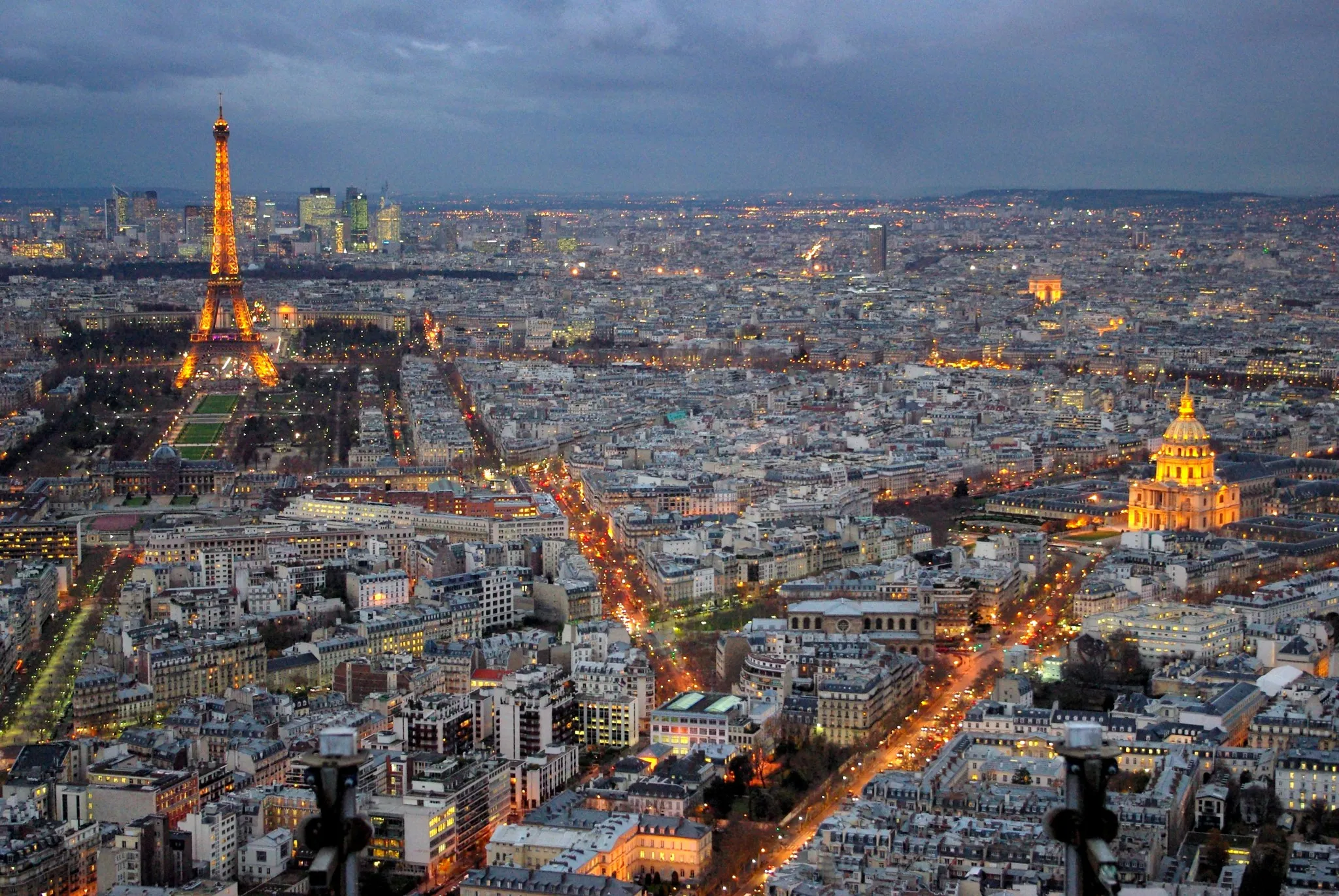
The Montparnasse Tower is widely considered the best photo spot in Paris. But lighting makes or breaks a photo. Here is your guide to timing your visit for the perfect shot.
1. Morning (Opening - 12 PM)
- The Light: The sun rises in the East (behind the tower relative to the Eiffel Tower).
- The Result: The Eiffel Tower (to the Northwest) is often side-lit or front-lit as the morning progresses.
- The Vibe: Crisp, clear air (less haze than afternoon). Good for detailed shots of monuments.
- Crowds: Lowest. You'll have plenty of space to set up (though tripods are officially restricted, you can often use a small beanbag or clamp).
2. Afternoon (12 PM - 5 PM)
- The Light: Bright, harsh overhead sun.
- The Result: High contrast and potential glare.
- The Vibe: Not ideal for "moody" artistic shots, but great for zooming in on distant details like the Sacré-Cœur or La Défense.
- Warning: Haze and smog can settle over the city on hot days, reducing clarity and sharpness.
3. Golden Hour (1 Hour Before Sunset)
- The Light: Soft, warm, gold. The sun is low in the West, setting behind or near the Eiffel Tower (depending on the season).
- The Result: Magical. Shadows lengthen, buildings glow orange. This is the prime time.
- Shot to Get: The silhouette of the Eiffel Tower against a burning orange sky.
4. Blue Hour (Wait for it!)
- The Light: That 20-minute window after sunset before total darkness. The sky is deep blue, and city lights balance with the sky brightness.
- The Result: Cinematic and balanced.
- Shot to Get: The Eiffel Tower lighting up while the sky is still a rich sapphire blue. This is the money shot.
5. Night (Total Darkness)
- The Light: Black sky, bright city lights.
- The Result: High contrast.
- The Vibe: The "City of Light" lives up to its name. The Avenues look like rivers of gold lava (car headlights).
- Shot to Get: The Eiffel Tower sparkling (happens for 5 minutes at the start of every hour after sundown).
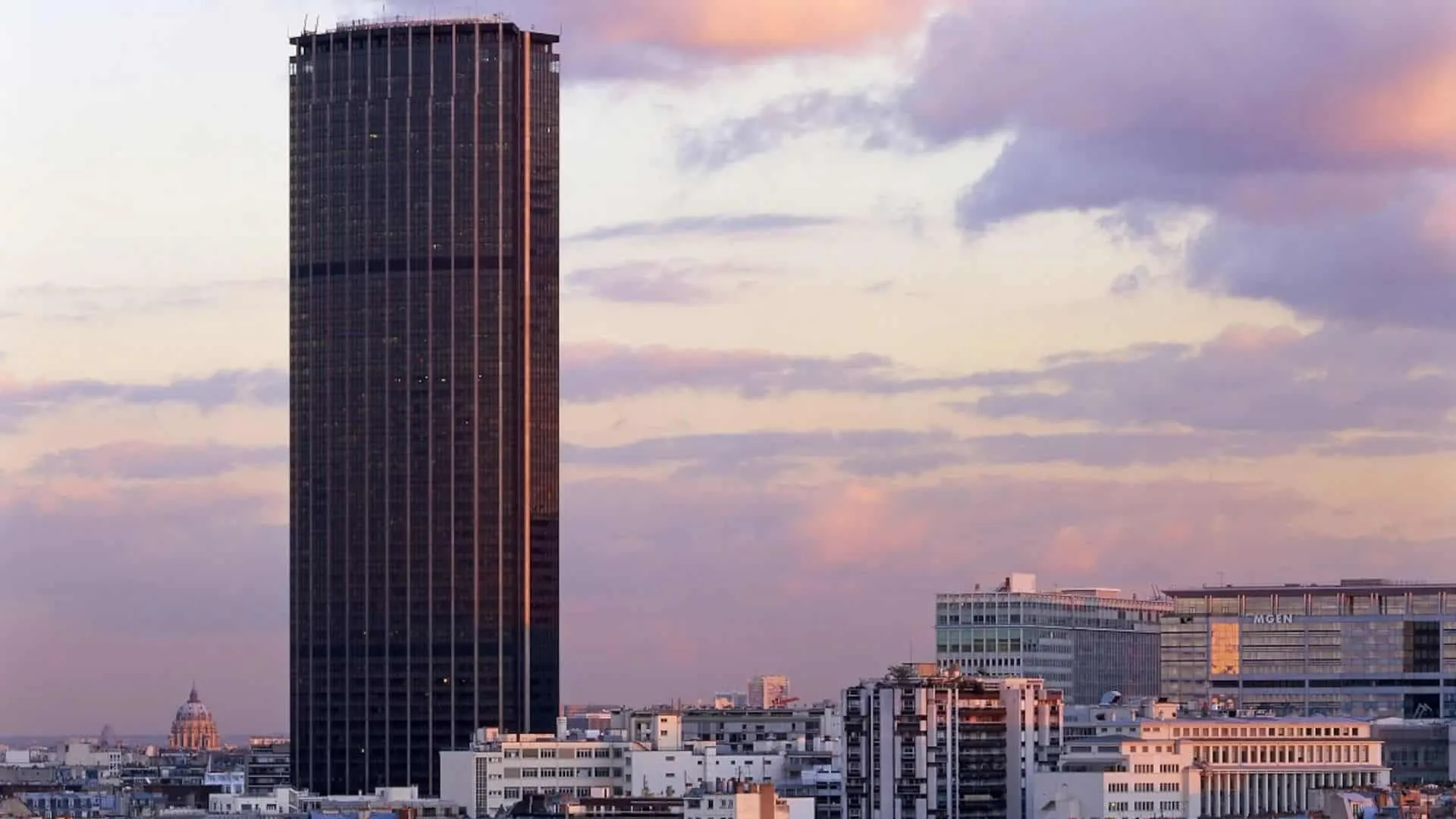
Technical Tips for the Terrace
- Glass Barriers: The 59th floor has glass walls. However, there are vertical gaps specifically designed for cameras! Use these to avoid glare.
- Lens Hood: If you must shoot through glass (on the 56th floor), use a rubber lens hood to seal against the pane and block reflections.
- Zoom: A 24-70mm is great for wide shots; a 70-200mm is essential for isolating monuments like the Pantheon or Invalides.
عن الكاتب

Lens & Light
تم إنشاء هذا الدليل لتزويد الزوار بفكرة واضحة وصادقة عما يمكن توقعه في برج مونبارناس، بعيدًا عن الكتيبات اللامعة فقط. نهدف إلى مساعدتك في الوصول مستعدًا، واختيار أفضل وقت للزيارة، والاستمتاع ببساطة بالمنظر بمجرد وصولك إلى هناك.
Tags
Photography
Sunset
Night Photography
Paris Skyline
Comments (0)
Leave a Comment
Loading comments...