The Montparnasse Tower Elevator: Europe's Fastest Lift?
Discover the engineering behind the Montparnasse Tower's high-speed elevator. 56 floors in 38 seconds—learn how it works.
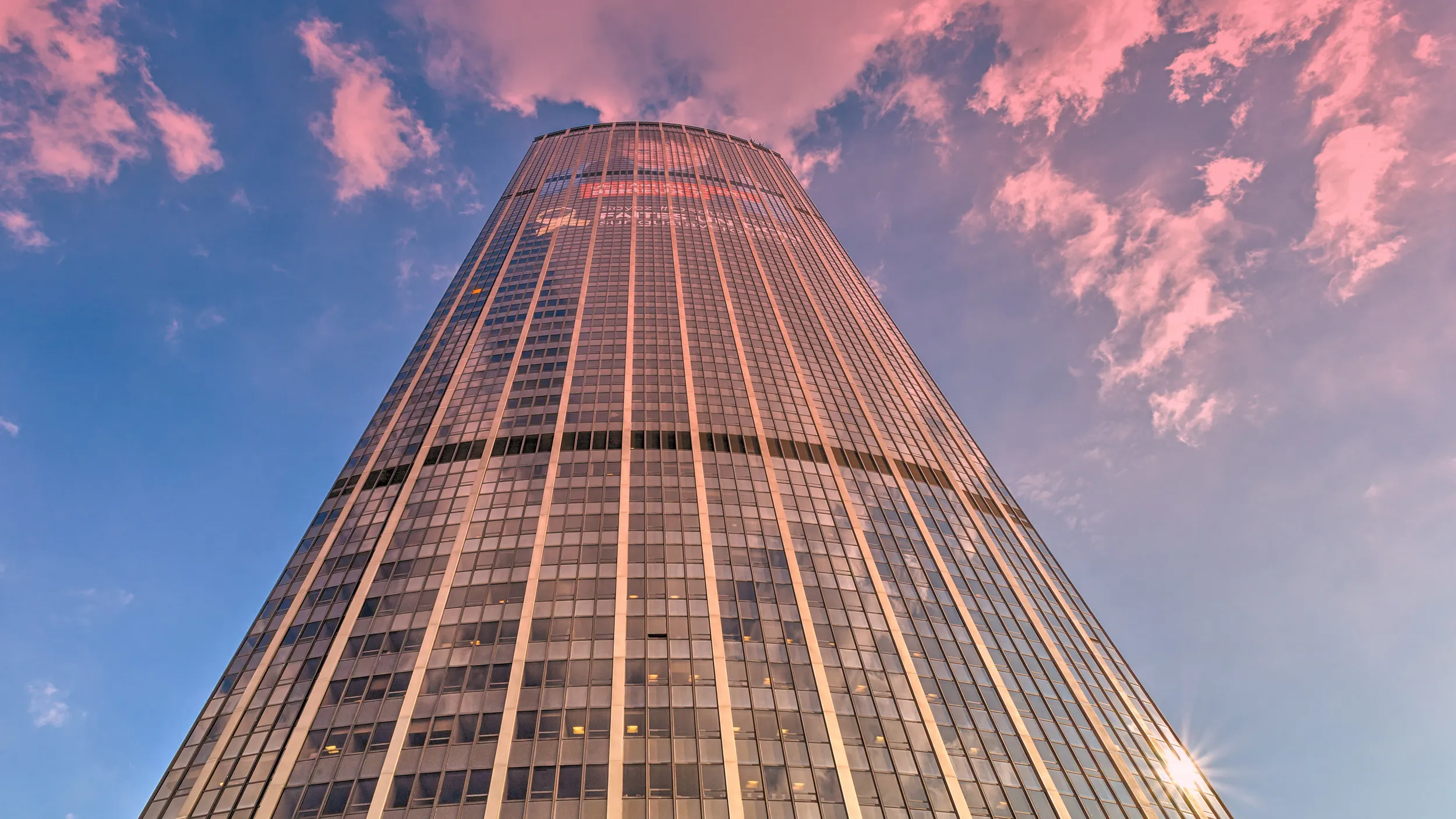
Hold onto your hats (and your stomachs). The elevator at the Montparnasse Tower is an attraction in itself.
The Stats
- Speed: 5 to 6 meters per second (approx 22 km/h) in normal operation, usually cited as reaching the top in 38 seconds.
- Height: Travels 196 meters vertically.
- Capacity: Can hold huge groups, moving hundreds of people per hour.
The Experience
As the doors close, the light dims. There is no window to the outside (unlike the glass lifts in some skyscrapers). Instead, visual displays or lighting effects often distract you.
You feel a distinct heaviness in your legs (G-force) as it accelerates. Your ears might pop due to the rapid pressure change. Before you can check your watch, the deceleration begins—a feeling of weightlessness—and the doors open on the 56th floor.
Comparison
While standard office elevators move at a leisurely pace, this express lift bypasses all the office floors (1-55) to deliver tourists directly to the observation deck. It was, for a long time, the fastest in Europe, though newer skyscrapers in London and Moscow have challenged this title.
Maintenance
Ensuring safety at these speeds requires rigorous maintenance. The cables and braking systems are inspected constantly. If the wind is too high (very rare), the elevator speed might be slightly reduced for comfort, but it rarely shuts down. The system is designed to handle the sway of the building in high winds, ensuring a smooth ride regardless of the weather outside.
저자 소개

Tech Traveler
이 가이드는 화려한 팸플릿뿐만 아니라 몽파르나스 타워에서 무엇을 기대할 수 있는지 방문객에게 명확하고 정직하게 전달하기 위해 만들어졌습니다. 이를 통해 준비를 갖추고, 최고의 방문 시간을 선택하며, 그곳에 도착해서는 그저 풍경을 즐길 수 있도록 돕고자 합니다.
Tags
Comments (0)
Loading comments...