The Montparnasse Tower Elevator: Europe's Fastest Lift?
Discover the engineering behind the Montparnasse Tower's high-speed elevator. 56 floors in 38 seconds—learn how it works.
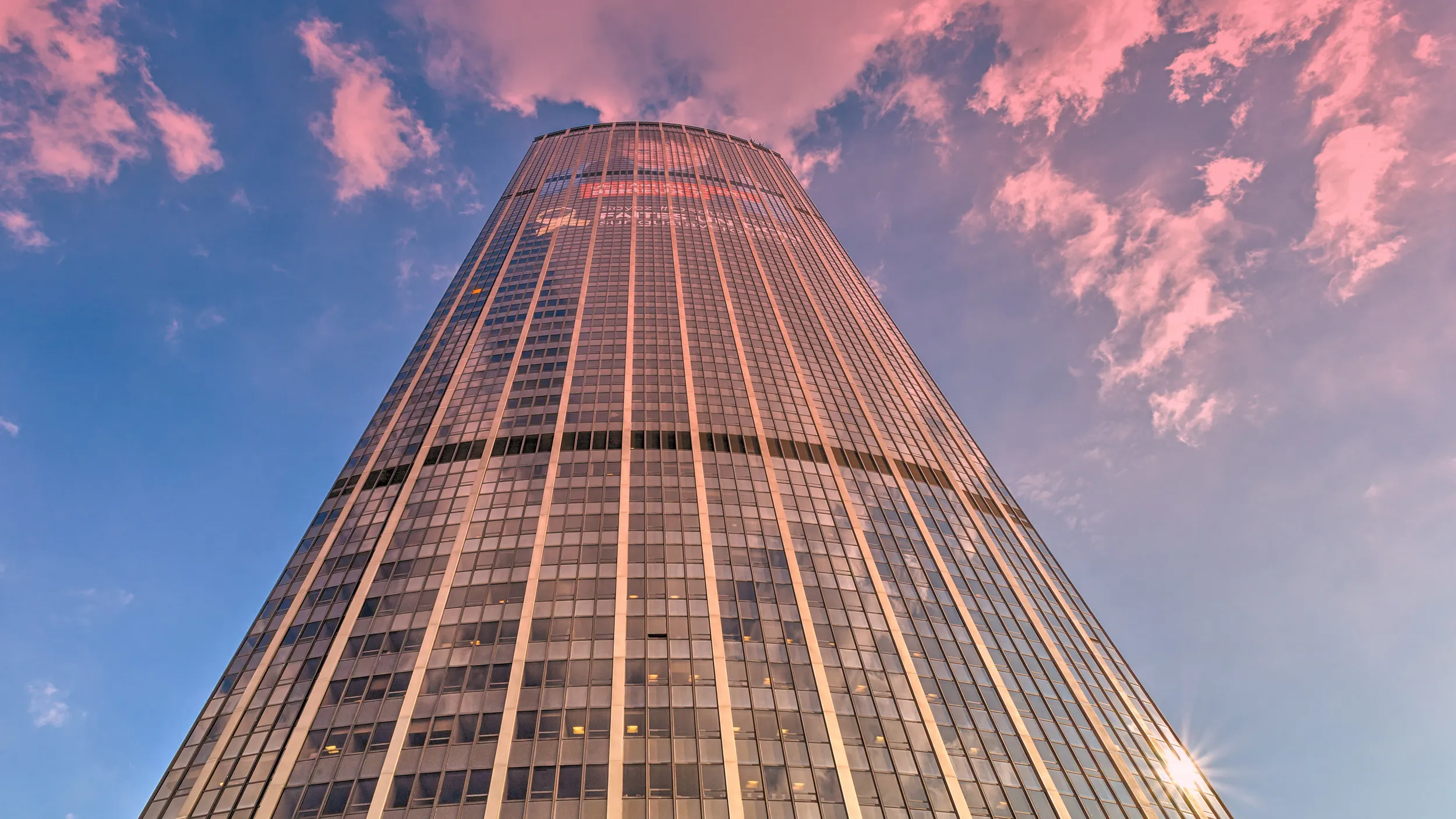
Hold onto your hats (and your stomachs). The elevator at the Montparnasse Tower is an attraction in itself.
The Stats
- Speed: 5 to 6 meters per second (approx 22 km/h) in normal operation, usually cited as reaching the top in 38 seconds.
- Height: Travels 196 meters vertically.
- Capacity: Can hold huge groups, moving hundreds of people per hour.
The Experience
As the doors close, the light dims. There is no window to the outside (unlike the glass lifts in some skyscrapers). Instead, visual displays or lighting effects often distract you.
You feel a distinct heaviness in your legs (G-force) as it accelerates. Your ears might pop due to the rapid pressure change. Before you can check your watch, the deceleration begins—a feeling of weightlessness—and the doors open on the 56th floor.
Comparison
While standard office elevators move at a leisurely pace, this express lift bypasses all the office floors (1-55) to deliver tourists directly to the observation deck. It was, for a long time, the fastest in Europe, though newer skyscrapers in London and Moscow have challenged this title.
Maintenance
Ensuring safety at these speeds requires rigorous maintenance. The cables and braking systems are inspected constantly. If the wind is too high (very rare), the elevator speed might be slightly reduced for comfort, but it rarely shuts down. The system is designed to handle the sway of the building in high winds, ensuring a smooth ride regardless of the weather outside.
Về tác giả

Tech Traveler
Hướng dẫn này được tạo ra để cung cấp cho du khách một ý tưởng rõ ràng, trung thực về những gì mong đợi tại Tháp Montparnasse—vượt ra ngoài những tờ quảng cáo bóng bẩy—để bạn có thể đến chuẩn bị, chọn thời điểm tốt nhất cho chuyến thăm của mình và đơn giản là tận hưởng quang cảnh khi bạn ở đó.
Tags
Comments (0)
Loading comments...